



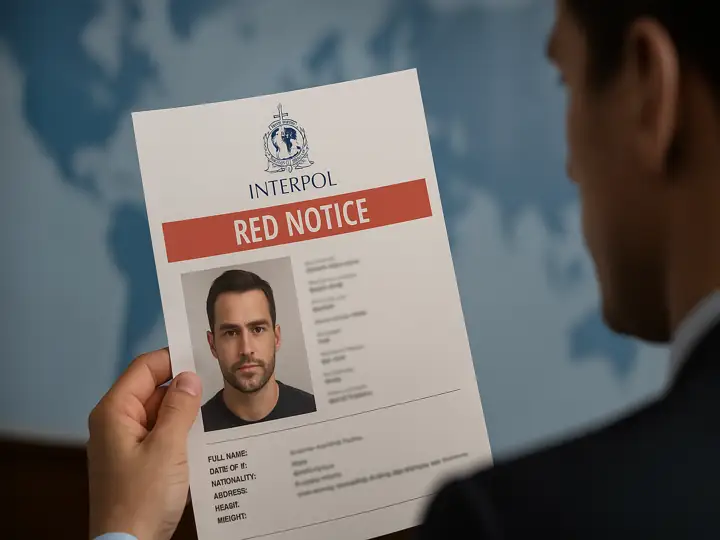
In today’s interconnected world, understanding the mechanisms of international law enforcement is essential. One of the most crucial resources for tracking down fugitives is the check Interpol wanted list. This article will guide you through the process, the importance of the list, and how it operates within the framework of international law enforcement.
What is Interpol?
Interpol, short for the International Criminal Police Organization, is an intergovernmental organization facilitating international police cooperation. Established in 1923, Interpol aims to assist law enforcement agencies across borders in catching fugitives, sharing criminal intelligence, and combating transnational crime. With its headquarters in Lyon, France, Interpol has 195 member countries, making it one of the largest international organizations in the world.
The Importance of the Interpol Wanted List
The Interpol wanted list is a critical tool in global law enforcement. It serves to alert member countries about individuals who are wanted for serious crimes, such as terrorism, human trafficking, drug smuggling, and corruption. This list enables law enforcement agencies from different countries to collaborate effectively in the pursuit of justice. By sharing information about wanted persons, the list helps prevent these individuals from fleeing prosecution by crossing international borders.
Types of Notices Issued by Interpol
Interpol issues different types of notices to communicate information about crimes and criminals. The most notable among these is the Red Notice, which is a request to locate and provisionally arrest a person pending extradition, surrender, or similar legal action. It’s important to note that a Red Notice is not an international arrest warrant; rather, it serves as a request for cooperation among member countries.
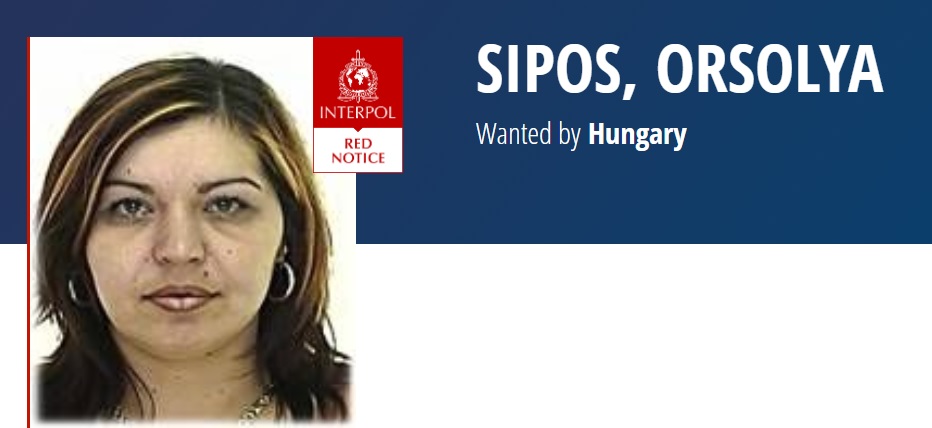
Other types of notices include:
- Blue Notice: Used to collect additional information about a person’s identity or activities.
- Green Notice: Alerts member countries about a person’s criminal activities when that person is considered a possible threat.
- Yellow Notice: Aimed at locating missing persons, particularly minors, or to help identify individuals who are unable to identify themselves.
- Black Notice: Seeks information on unidentified bodies.
How to Check the Interpol Wanted List
Checking the Interpol wanted list can be done easily through Interpol’s official website or through various other online resources. Here’s a step-by-step guide on how to do it:
- Visit the Interpol Website: Go to the official Interpol website at www.interpol.int.
- Navigate to the Wanted Persons Section: Find the section dedicated to wanted persons. This is typically found under the “Criminality” or “For the Public” tabs.
- Search for Individuals: Use the search function to look for a specific individual by name, nationality, or other identifiers. You can also browse the list of wanted persons.
- Review the Details: Upon finding a wanted person, click on their profile to view information such as the charges against them and the countries involved.
- Report if Necessary: If you have information on a wanted individual, you can report it to your local authorities or directly to Interpol through their website.
Why is it Important for Citizens to Be Aware of the Interpol Wanted List?
Being aware of the Interpol wanted list is not just relevant to law enforcement; it’s also important for everyday citizens. Understanding who is wanted can help communities stay informed and vigilant. Furthermore, recognizing the presence of certain fugitives can help prevent criminal activities in local areas.
Communities can also take proactive steps to work with law enforcement by reporting suspected sightings or inf

ormation related to individuals on the wanted list. Such involvement strengthens community safety and ensures that criminals are less likely to find refuge in unsuspecting neighborhoods.
International Cooperation Against Crime
The effectiveness of the Interpol wanted list and other notices depends largely on international cooperation. Countries must be willing to collaborate, share information, and act promptly on requests from other nations. This commitment to cooperation not only aids in the apprehension of fugitives but also serves as a deterrent to future criminals who might consider evading justice.
Moreover, the growing threat of cybercrime and terrorism emphasizes the need for robust international law enforcement partnerships. By supporting organizations like Interpol, countries enhance their collective capacity to combat global crime efficiently.
Conclusion
In conclusion, the Interpol wanted list is an invaluable resource in the fight against international crime. By understanding how to access and utilize this list, individuals can become more informed citizens who contribute to global security. Whether through active engagement with law enforcement or educated awareness of criminal threats, everyone has a role to play in promoting safety and justice.
