




Is Saudi Arabia a Sanctioned Country?
Sanctions are a tool of foreign policy used by countries and international organizations to influence the behavior of nations that are deemed to be acting against international law or causing regional instability. The Kingdom of Saudi Arabia, known for its substantial oil reserves and strategic geopolitical position, presents a complex case in the context of international sanctions. is Saudi Arabia a sanctioned country https://www.freetastesgood.com/wp-content/pgs/is-saudi-arabia-a-sanctioned-country.html This article will explore the nuances of Saudi Arabia’s status concerning sanctions imposed by various countries.
A Brief Overview of Sanctions
Sanctions can take various forms, including economic sanctions, trade restrictions, and diplomatic sanctions. Each type aims to exert pressure on a nation to change certain policies or behaviors. Economic sanctions can block financial transactions, while trade sanctions can limit the import and export of goods. Diplomatic sanctions can involve the severing of diplomatic ties or expelling diplomats. Understanding the nature of these sanctions is essential in assessing whether a country like Saudi Arabia is currently sanctioned.
Current Sanctions on Saudi Arabia
As of now, Saudi Arabia itself is not broadly sanctioned. However, it is important to mention that certain individuals and entities within the country have faced restrictions. This is particularly true in relation to human rights violations and regional conflicts associated with the government’s military engagements, especially in Yemen.
Human Rights Concerns
Western nations, particularly members of the European Union and the United States, have criticized Saudi Arabia for its human rights record. The murder of journalist Jamal Khashoggi in 2018 brought international scrutiny and led to some limited sanctions targeting individuals believed to be responsible for the act. This included freezing assets and imposing travel bans on certain officials. Although these individual sanctions highlight specific issues, they do not amount to a blanket sanction against the Kingdom as a whole.
Regional Conflicts and Military Actions
Saudi Arabia’s military involvement in the Yemen conflict has also drawn international criticism, leading to calls for sanctions against the Saudi government. The coalition led by Saudi Arabia has been accused of numerous human rights violations, including attacks on civilian infrastructure. Some nations, particularly those with strategic interests in the region, have opted for arms embargoes to limit weapons sales to the Saudi military as a response to these actions.
International Relations and Geopolitical Context
Saudi Arabia plays a critical role in global oil markets and has strong relationships with key players, including the United States. Given its importance, many nations may hesitate to impose strict sanctions that could destabilize the economy. Instead, they often seek diplomatic solutions to address human rights concerns or regional conflicts.
The Role of Major Powers
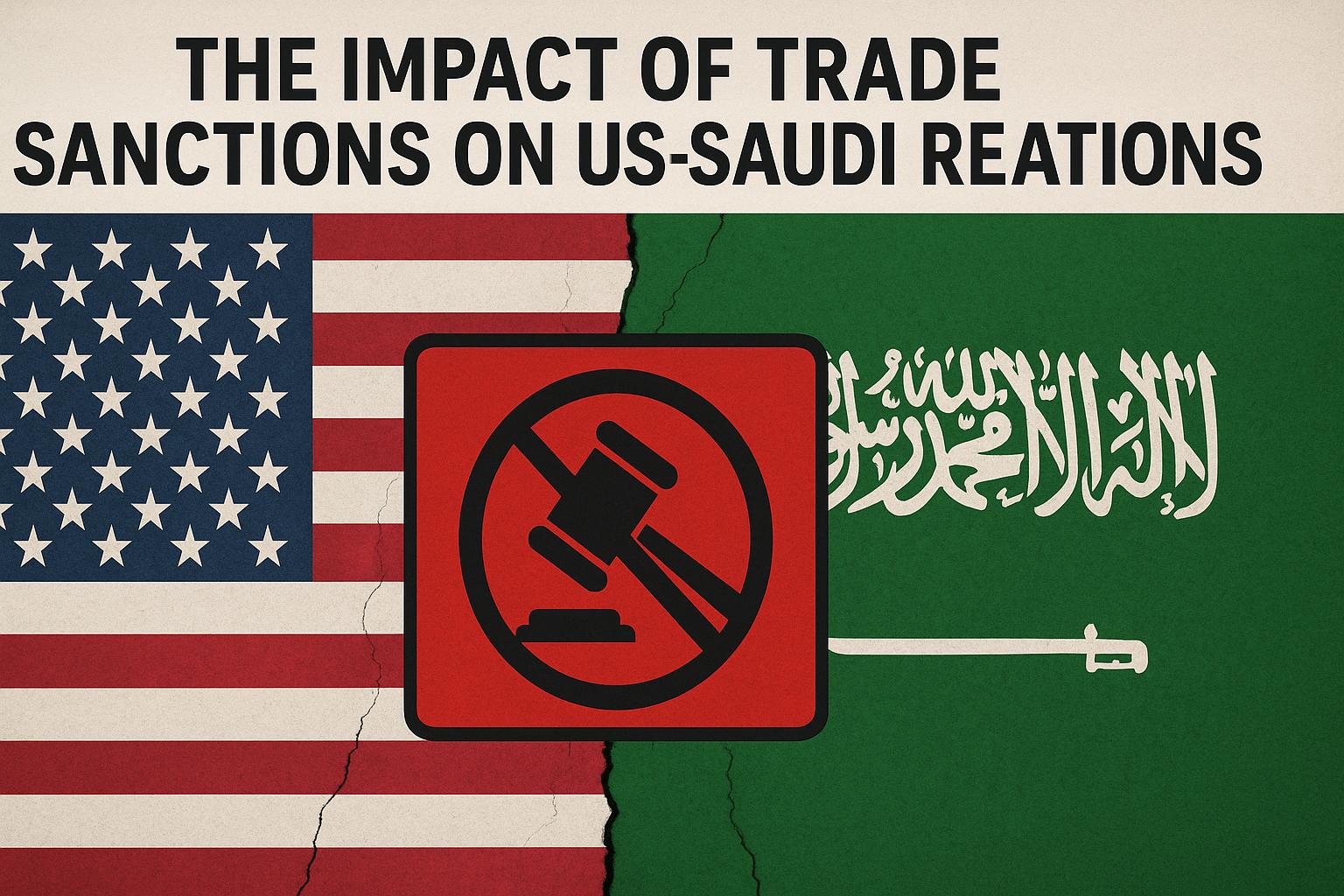
The United States holds significant influence over Saudi Arabia’s position in the international hierarchy. While some politicians advocate for stricter sanctions against Saudi Arabia, especially in light of human rights issues, others emphasize the importance of maintaining relationships, particularly for energy security and countering Iranian influence in the region.
European Union Stance
The European Union exhibits a nuanced relationship with Saudi Arabia. While condemning human rights abuses, the EU also engages in dialogue with Saudi leadership to promote reform and stability in the region. This has resulted in a cautious approach, avoiding heavy sanctions that could lead to further unrest or economic fallout.
Economic Impact of Sanctions
For countries that impose sanctions, the economic ramifications can be significant. For instance, should the United States or the EU ramp up sanctions against Saudi Arabia, it could prompt a rise in oil prices due to decreased supply. Such an event would have ripple effects across global markets, affecting everything from gas prices to investment strategies.
The Future of Sanctions on Saudi Arabia
Looking ahead, the likelihood of broader sanctions against Saudi Arabia depends on various factors, including the state of human rights within the nation, the ongoing conflict in Yemen, and the Kingdom’s relationship with other major powers. Movements towards increased transparency and reform within the Saudi government could mitigate calls for sanctions, while continued violations may lead to a re-evaluation of diplomatic relationships and potential restrictions.
Conclusion
In conclusion, while Saudi Arabia is not subjected to sweeping international sanctions as a sovereign nation, the Kingdom’s human rights record and military actions have resulted in targeted restrictions against specific individuals and organizations. The complex web of international relations and Saudi Arabia’s critical role in global energy markets makes the situation intricate. Continued scrutiny and dialogue will be necessary to gauge the future of sanctions and their potential impact on both Saudi Arabian society and international relations.
