




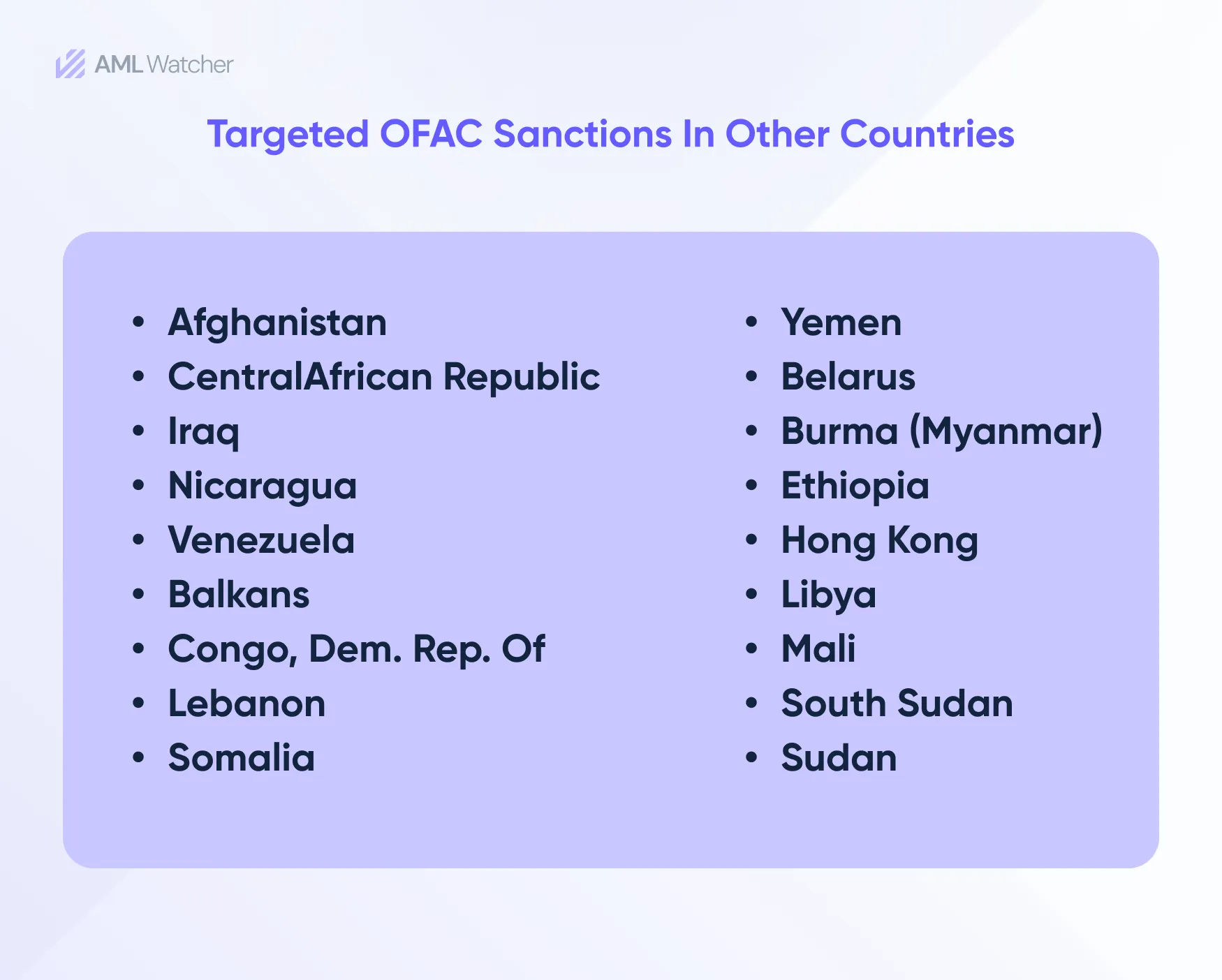
The world of international trade and finance is teeming with complexities, particularly when it comes to compliance with regulations set forth by the Office of Foreign Assets Control (OFAC). With a growing number of countries facing sanctions and restrictions, understanding representation in OFAC matters has become vital for businesses engaged in international transactions. This article will delve into the crucial aspects of representation in OFAC matters, emphasizing the significance of legal representation, common pitfalls, and effective strategies for compliance.
What is OFAC?
The Office of Foreign Assets Control (OFAC) is a financial intelligence and enforcement agency of the U.S. Department of the Treasury. Its primary responsibility is to administer and enforce economic and trade sanctions against targeted foreign countries and regimes, terrorists, international narcotics traffickers, and those involved in activities related to the proliferation of weapons of mass destruction. OFAC regulations prohibit U.S. individuals and companies from engaging in transactions with these sanctioned entities.
The Role of Legal Representation
Given the intricate nature of OFAC regulations, legal representation is crucial for businesses operating in the global market. An experienced attorney specializing in OFAC matters can provide invaluable guidance on compliance requirements and assist in navigating potential legal hurdles. Legal experts a

re equipped to evaluate whether a particular transaction may violate OFAC regulations and can offer strategies to mitigate risks associated with potential sanctions violations.
Understanding the Importance of Compliance
Compliance with OFAC regulations is not just a legal obligation; it is also essential for maintaining a business’s reputation and avoiding substantial penalties. The consequences of non-compliance can be severe, including fines, loss of export privileges, and damage to a company’s standing in the international marketplace. Therefore, having skilled legal representation helps ensure that businesses remain compliant and understand the comprehensive implications of engaging in international dealings.
Common Pitfalls in OFAC Compliance
Businesses frequently encounter challenges when attempting to comply with OFAC regulations. Some common pitfalls include:
- Lack of Awareness: A surprising number of businesses are unaware of the comprehensive nature of OFAC sanctions. Many companies may inadvertently engage in transactions that violate these sanctions due to a lack of knowledge.
- Inadequate Screening Processes: Failing to conduct thorough screening against OFAC’s Specially Designated Nationals (SDN) list can lead to severe compliance breaches.
- Ignoring Updates: OFAC regularly updates its sanctions lists and regulations. Businesses must stay informed of changes to avoid potential violations.
Effective Strategies for Compliance
Implementing effective strategies for compliance can significantly reduce the risks associated with OFAC regulations:
- Regular Training: Provide ongoing training for employees regarding OFAC regulations and the importance of compliance to foster an organizational culture that prioritizes legal adherence.
- Implement Robust Screening Procedures: Establish stringent screening procedures to check against OFAC’s SDN list. Automated screening tools can facilitate this process and reduce human error.
- Cultivate Relationships with Legal Experts: Establish a relationship with legal experts in OFAC matters who can provide advice, auditing services, and legal defense strategies when necessary.
Navigating OFAC Enforcement Actions
When OFAC enforcement actions are initiated, representation becomes essential. An experienced legal professional can assess the situation, determine whether a violation has occurred, and advise on the best course of action, which may include seeking a voluntary self-disclosure to OFAC. This proactive approach can potentially mitigate penalties and demonstrate a commitment to compliance.
Conclusion
In conclusion, understanding representation in OFAC matters is vital for any business looking to engage in international trade. Compliance is complex and requires expert legal guidance to navigate effectively. By recognizing the importance of representation, avoiding common pitfalls, and implementing strategic compliance methods, businesses can protect themselves against potential OFAC violations and sustain their operations within the global market.
